
In the heart of untamed landscapes and under the vast African skies, a self-drive safari offers adventurers a unique opportunity to connect with nature on their own terms. In this article, we will delve into the numerous advantages of self-driving safaris, equip you with essential packing tips for your expedition, and share invaluable insights on maximizing your chances of encountering magnificent wildlife in their natural habitats. Whether you’re a seasoned safari enthusiast or a first-time explorer, this comprehensive guide will help you embark on a self-drive safari with confidence and excitement.
Benefits of Self-driving Safaris
Self-driving safaris can offer several benefits for tourists and wildlife enthusiasts. Here are some of the advantages:
- Flexibility and Independence:
Self-driving allows you to set your own schedule and pace. You can choose when and where to go within the safari area, which can be especially appealing if you have specific animals or landscapes you want to see. - Privacy:
You can enjoy a more private and intimate safari experience when you’re in your own vehicle. You won’t have to share your sightings with a group of tourists, providing a more peaceful and personal encounter with nature. - Cost Savings:
Depending on the location, self-driving can be more cost-effective than guided safaris, as you won’t have to pay for a tour guide or group tour fees. - Customized Experience:
Self-driving allows you to tailor your safari experience to your interests. You can spend as much time as you want observing specific animals or exploring certain areas. Self-drive safaris can be combined with many other types of safaris such as a walking or a balloon safari to allow you the best of both worlds and optimal game viewing. - Adventure and Exploration:
Navigating the terrain and finding wildlife on your own can add an adventurous element to your safari. It’s a rewarding feeling to discover animals and tracks independently. - Photography Opportunities:
Photographers often prefer self-driving because they have more control over their shooting locations and angles. You can patiently wait for the perfect shot without feeling rushed by a group. - Connection with Nature:
Self-driving can provide a deeper connection to the natural environment. The silence of your vehicle and the absence of other tourists can make it easier to hear wildlife sounds and observe animal behavior without disturbance. - Learning Experience:
You have the opportunity to learn about wildlife and ecosystems at your own pace. Many self-drive safari destinations provide informative materials, maps, and self-guided resources to enhance your understanding of the environment. - Family-Friendly:
Self-driving safaris can be a great option for families with children. You have more control over breaks, meals, and rest stops, making it easier to accommodate the needs of the entire family.
However, it’s essential to note that self-driving safaris also come with responsibilities. You should be well-prepared, informed about the local wildlife and safety guidelines, and have a suitable vehicle for the terrain. Additionally, some safari destinations may have restrictions on self-driving due to conservation efforts or safety concerns, so it’s crucial to research and plan accordingly.
Choosing the right vehicle
Choosing the right car for a self-driving safari is crucial to ensure your safety, comfort, and the success of your wildlife viewing experience. Here are some tips on what to consider when selecting a vehicle for a self-driving safari:
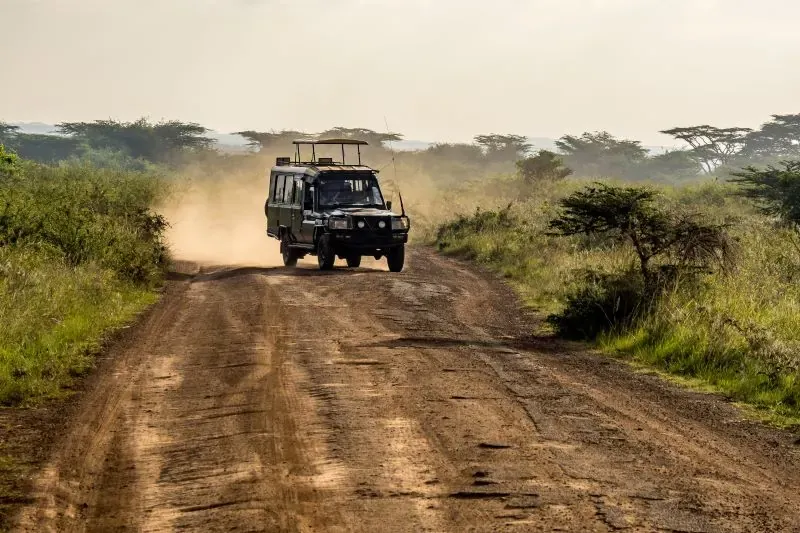
A 4WD or AWD with adequate ground clearance:
The terrain in many safari destinations can be challenging, with rough roads, mud, sand, and steep inclines. A Four-Wheel Drive (4WD) or All-Wheel Drive (AWD) vehicle is highly recommended as it provides better traction and stability, allowing you to navigate various conditions more easily. Opt for a vehicle with adequate ground clearance to handle uneven terrain. A higher ground clearance helps you avoid getting stuck on rocks or in deep ruts.
Reliability:

Choose a reliable and well-maintained vehicle. Breakdowns in remote safari areas can be a significant inconvenience and safety concern. Have emergency contacts handy in case of a break-down. Knowing that you can get help if your vehicle encounters issues can provide peace of mind.
Comfort:
Consider the size of the vehicle based on your group size and comfort needs. Ensure there is enough storage space for your luggage and equipment. You would need space for spare tire(s), tools for changing tires, and other basic emergency equipment. We recommend a good reliable vehicle, with off-road capabilities, comfortable seating and air conditioning.
Open or Closed Roof:
Safari vehicles typically come in two configurations: open-top or closed-top. An open-top vehicle provides an unobstructed view and is excellent for photography. However, a closed-top vehicle offers protection from the elements and may be more comfortable in extreme weather conditions or for longer journeys. Some vehicles have a pop-up roof that combines the best of both worlds.
Driver Experience:
Ensure that you or your designated driver has experience driving in off-road conditions, as safari terrain can be challenging, and safe driving skills are essential.
Remember that renting a vehicle from a reputable safari rental company is often the best way to ensure you get a suitable and well-maintained vehicle for your self-driving safari adventure. It’s also essential to familiarize yourself with local traffic rules, wildlife viewing guidelines, and park regulations to ensure a safe and responsible safari experience.
What to prepare for a self-driving safari
Preparing for a self-drive safari involves packing essential items and being well-prepared for various conditions. In addition to common items to pack on any safari such as the right documentation, clothing, etc, a self-driving safari calls for more items on your checklist. Here’s a checklist of what to take on a self-drive safari:
Navigation and Maps:
Pack a GPS device or smartphone with offline maps and a reliable navigation app. Install Maps.me and download the Tanzania maps so you can use the GPS offline. You can also get paper maps of the area and the park or reserve you’ll be visiting.
A mobile phone with a local SIM card gives you the flexibility to phone for help in case of emergencies as well as book your lodges or campsites before arriving. While travelling in Tanzania, having a Rough Guide Swahili Phrasebook is quite useful when journeying through less-traveled routes.
Vehicle Essentials:
The road conditions may initially be satisfactory but can deteriorate rapidly before maintenance. As a result, experiencing punctures and minor issues due to continuous rattling is to be expected. For a successful self-drive safari, you need to:
Make sure to carry essential equipment for basic vehicle and repairs. In case of break down you should have spare tire(s), a pump, and a suitable jack. Pack jumper cables, a fire extinguisher, and vehicle recovery gear (e.g., tow strap, sand tracks, spade etc) if you’re driving in challenging terrain.
Learn from the service provider, when you pick up your car, how to deal with critical but possible situation like changing the tyres, how to engage the 4WD etc.
Carry extra fuel containers even if you have a backup tank as most fuel stations are often located in the major towns hence it can be challenging to find fuel in remote areas.
Safety and First Aid:
Since you’re likely to be a long way from the nearest medical help, you need to be prepared to handle medical emergencies in the wild. Here are a few things to observe:
Carry a first aid kit with essentials like bandages, antiseptic wipes, pain killers, and any personal medications. Include Insect repellent and sunscreen when travelling to tropical conditions.
If you are self-driving and camping by yourself, bring other essentials like fire-starting equipment (lighter, matches), Multi-tool or Swiss Army knife, a headlamp or flashlight with extra batteries.
Rental cars are equipped with a cigarette lighter for powering your devices, but you should remember to bring your audio and USB cables to ensure your devices stay charged.
Food and Water:
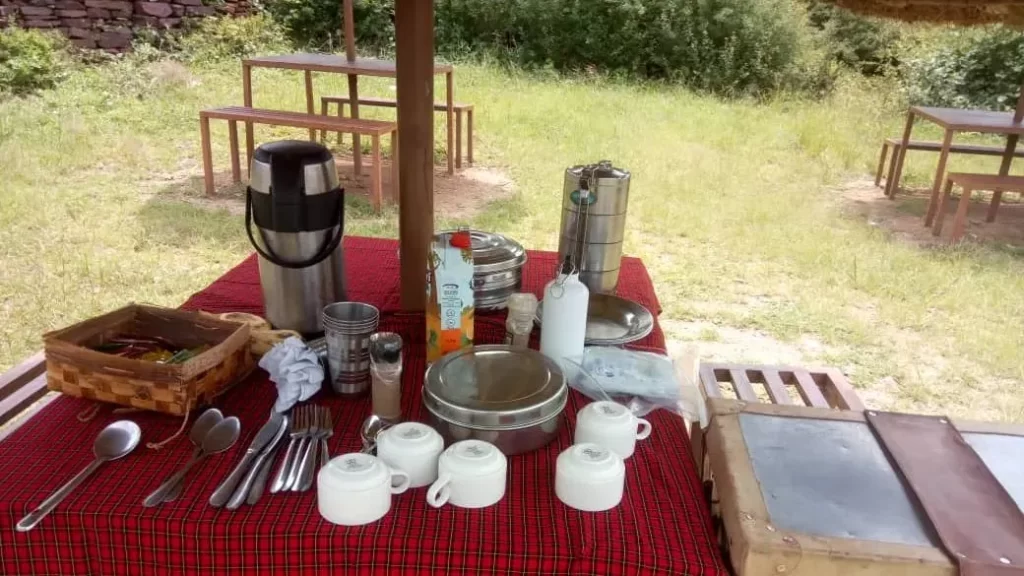
Some campsites may be able to provide meals, but it’s a good idea to bring your own breakfast, lunch and extra snacks. Stock a plentiful supply of water for human consumption and for re-filling radiators.
Important Wildlife Guidelines
Before embarking on your self-drive safari, double-check the specific requirements and recommendations for your destination, as some parks or reserves may have unique considerations. When interacting with wildlife, it’s crucial to understand that they are wild animals, and their behavior can be highly unpredictable. Here are a few guidelines to ensure safety and successful wildlife sightings.
Tips for Successful Wildlife Sighting:
Get a Map: When entering the park, collect a map from the gates or rest camps to help with navigation.
Timing is Key: Wildlife is most active during the early morning and early evening, so plan your sightings accordingly.
Drive at a Considerate Pace: Avoid rushing through the park; driving slowly increases your chances of spotting wildlife. Stopping at a watering hole and patiently waiting can yield rich rewards. Respect the park’s speed limits because wildlife can emerge unexpectedly. Even seemingly quiet animals like elephants can surprise you, so exercise caution.
Connect with Fellow Adventurers: Engage with other safari-goers you meet along the way; they might point out wildlife you might miss.
Combine Self-Drive with Guided Safaris: Consider mixing your self-drive safari with guided experiences like night drives, walking safaris, or balloon rides. This approach offers you the broadest exposure to local wildlife.
Safety guidelines to follow while encountering wildlife

Stay in Your Vehicle: Never exit your vehicle, even if the animals appear docile. Predators don’t view vehicles as threats or food sources, but once you’re outside, you become potential prey. Always stay inside your vehicle during a self-guided safari. Exceptions should only be made with explicit permission. Do not hang out of your car or lean out of the window to take photos.
Contact Park Assistance: If you experience a flat tire or any issues, contact the park’s provided assistance number rather than attempting repairs by yourself.
Respect Off-Road Rules: Avoid driving off-road unless it’s explicitly permitted, as this could harm hidden creatures and their habitats, such as birds’ nests, chameleons, and tortoises.
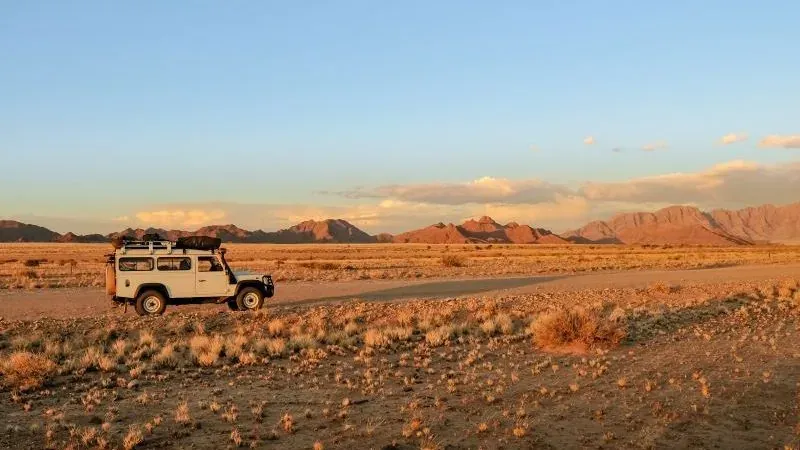
Maintain Safe Distances: Always maintain a safe distance from wildlife, especially when encountering elephants. Leave your vehicle a clear route forward, as elephants can run faster than you can reverse.
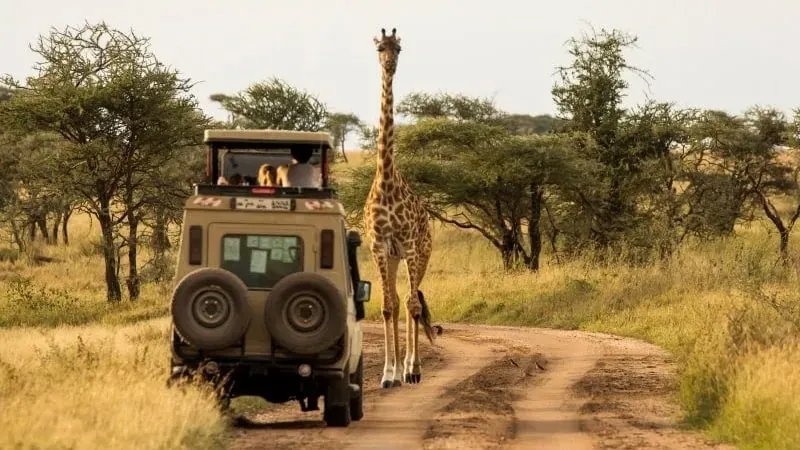
Respect Herds: Never drive too close to large herds, and avoid breaking up groups of elephants, especially bull elephants.
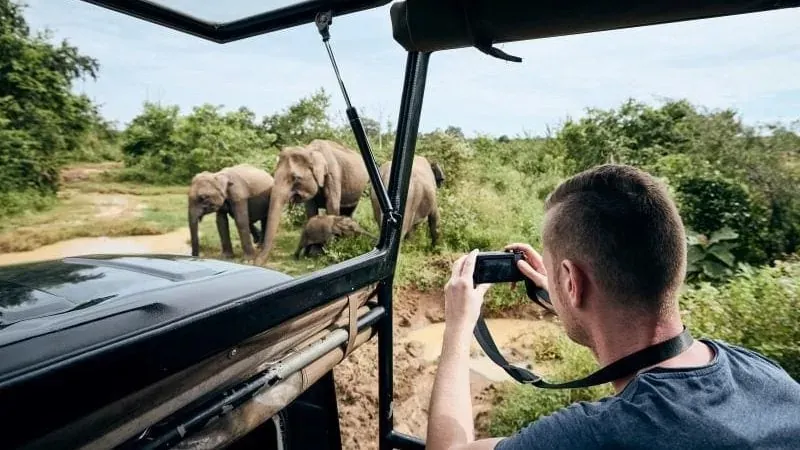
Avoid Running: If by any chance you encounter a predator while out of your vehicle, never run as it can trigger a chase. Instead, maintain your composure and slowly back away to safety.